 Nearly a third of antibiotics prescribed in doctors’ offices, emergency rooms and hospital-based clinics in the United States are not needed, according to the most in-depth study yet to examine the use and misuse of these life-saving drugs.
The finding, which has implications for antibiotics’ diminished efficacy, translates to about 47 million unnecessary prescriptions given out each year across the country to children and adults. Most of these are for conditions that don’t respond to antibiotics, such as colds, sore throats, bronchitis, flu and other viral illnesses.
Although health officials have been warning for decades about the overuse of antibiotics and its contribution to the development of drug-resistant bacteria, the research from the Centers for Disease Control and Prevention and the Pew Charitable Trust is the first to quantify the depth of the problem.
“We’ve all been hearing, ‘This is a problem, this is problem,’ and we all understood the general concept that there is a lot of antibiotic use,” said David Hyun, a senior officer with Pew’s antibiotic resistance project and one of the authors of the report published Tuesday in JAMA. Pew also published a companion report using the same data. Source
 A study by researchers at Johns Hopkins Medicine says medical errors should rank as the third leading cause of death in the United States — and highlights how shortcomings in tracking vital statistics may hinder research and keep the problem out of the public eye.
 WASHINGTON (Reuters) – Half of teenagers in the United States feel addicted to their mobile phones, with most checking the devices at least every hour and feeling pressured to respond immediately to messages, a survey released on Tuesday found.
 BRUSSELS – Belgium is to provide iodine pills to its entire population of around 11 million people to protect against radioactivity in case of a nuclear accident, the health minister was quoted as saying Thursday.
 In a surprise decision, the US Department of Agriculture (USDA) just announced that it
 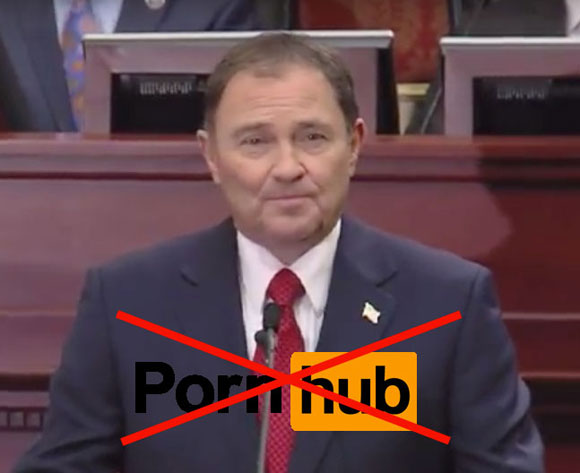 Utah Gov. Gary Herbert wants the world to know the state’s position on pornography: It’s a public health crisis.
 The European Parliament has backed a re-authorization of a pesticide believed to be carcinogenic for another 7 years, despite a widespread protest campaign calling for a full ban instead of a downsized “compromise” deal.