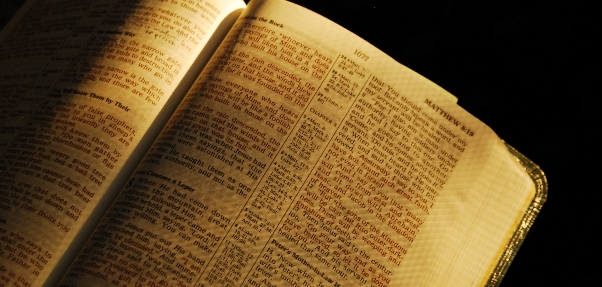
 Tennessee Gov. Bill Haslam vetoed a bill that would have made the Bible the official book of the state, saying the measure actually downplayed the significance of the Good Book and turned it into a historical, rather than spiritual, text.
“In addition to the constitutional issues with the bill, my personal feeling is that this bill trivializes the Bible, which I believe is a sacred text,” Haslam wrote in a letter to the speaker of the statehouse, the Washington Post reported.
He went on, saying: “If we believe that the Bible is the inspired word of God, then we shouldn’t be recognizing it only as a book of historical and economic significance. If we are recognizing the Bible as a sacred text, then we are violating the Constitution of the United States and the Constitution of the State of Tennessee by designating it as the official state book.”
Supporters said the Bible actually holds economic, cultural and historical significance for Tennessee and pointed to the text of the bill, which reminded “printing the Bible is a multi-million dollar industry for the state with many top Bible publishers headquartered in Nashville. Source
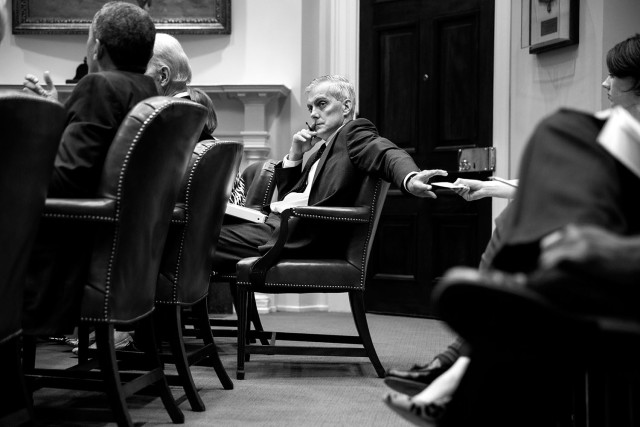 White House Version – President Obama has initiated an enhanced transition of power process through an executive order directed toward the assembly of a cross functional transition team from all cabinet members.
 A senior White House official has caused an uproar among journalists, political pundits and policy officials after he admitted to manipulating the public with “misleading or false” information to garner support for last July’s nuclear deal with Iran.
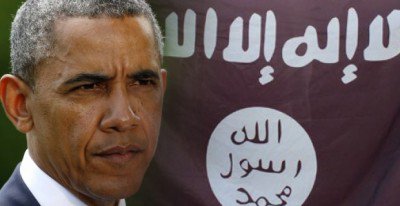 Global Research Editor’s Note:
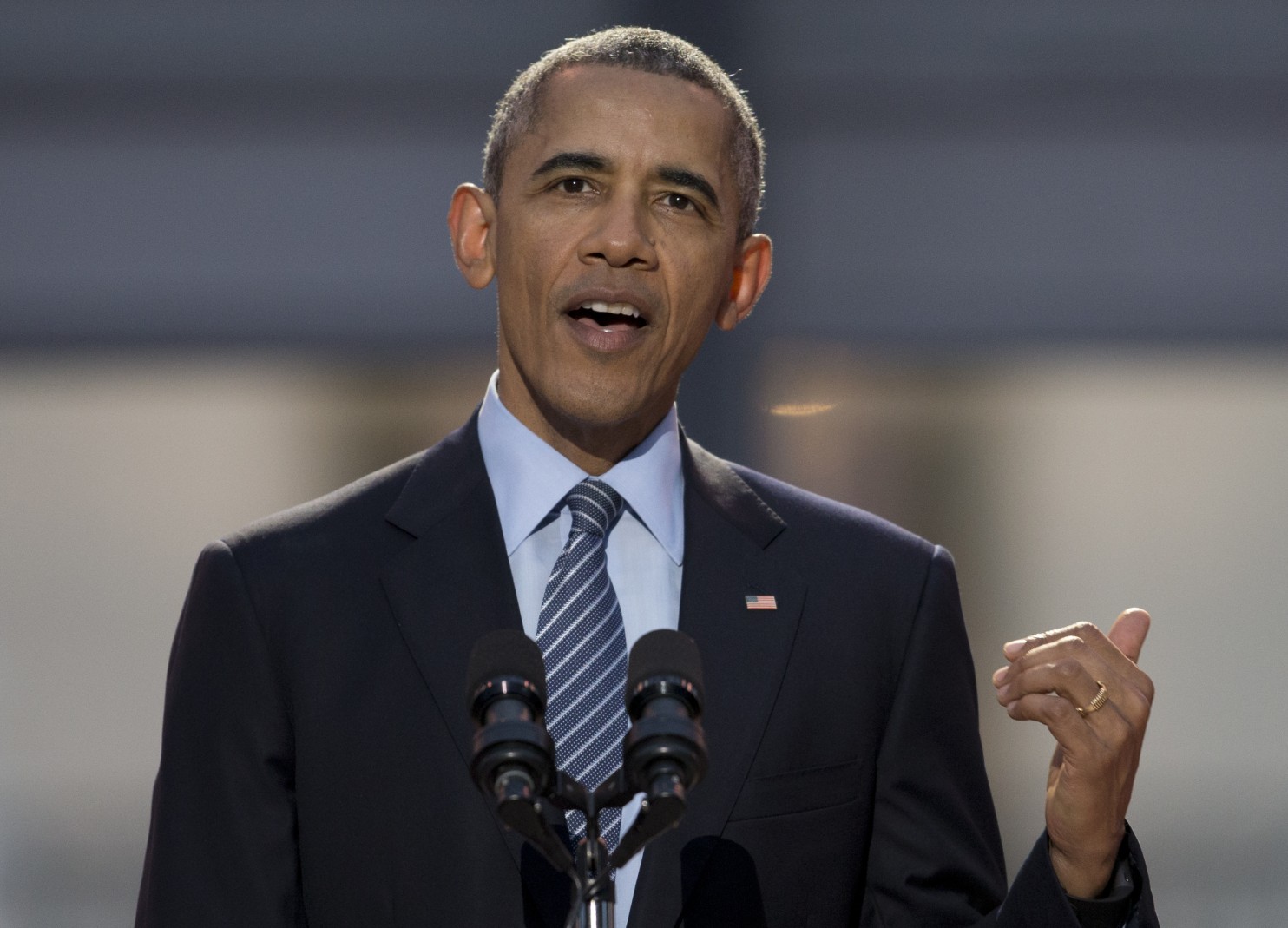 Barack Obama is president of the United States.
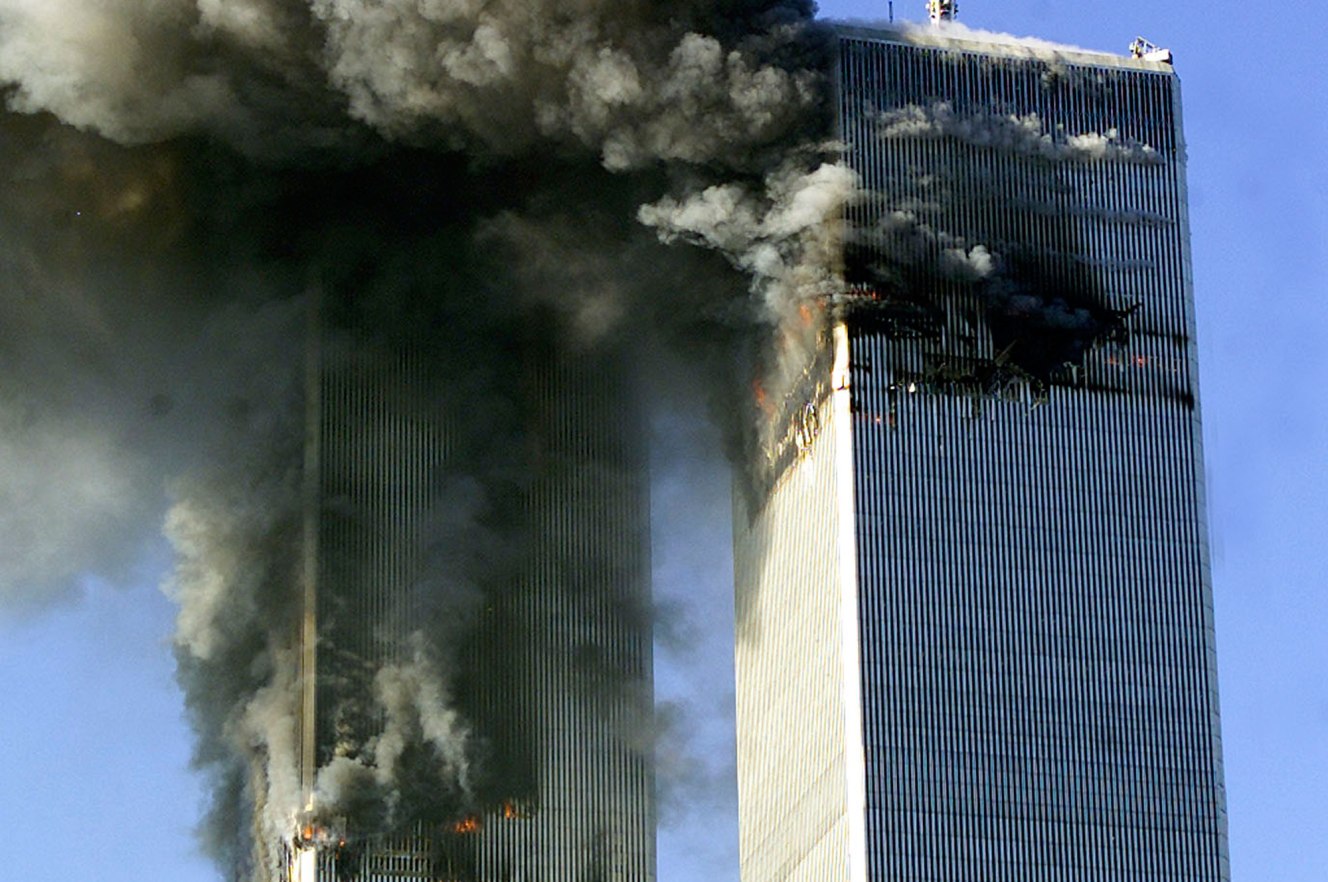 In its report on the still-censored “28 pages” implicating the Saudi government in 9/11, “60 Minutes” last weekend said the Saudi role in the attacks has been “soft-pedaled” to protect America’s delicate alliance with the oil-rich kingdom.
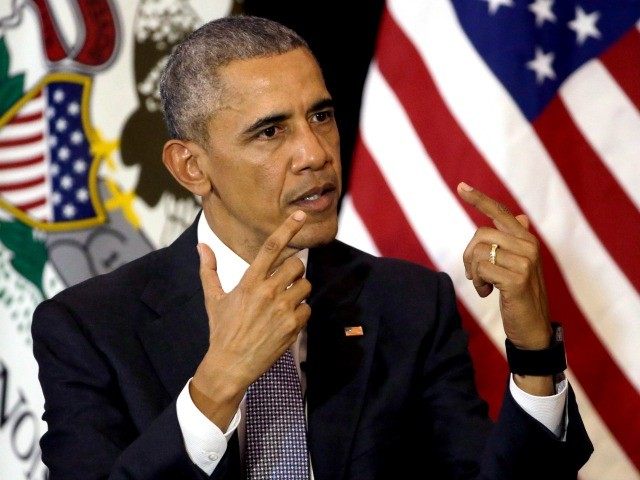 President Obama urged students to open up their digital life to the federal government, if they wanted to be protected by the government, calling the current privacy expectations from Americans unrealistic. “People have a whole new set of privacy expectations that are understandable. They also expect though that since their lives are all digitized, that the digital world is safe, which creates a contradictory demand on government,” he said.